When an air conditioning system begins to struggle, many property owners face a familiar dilemma: should the unit be repaired or replaced entirely? This decision is rarely straightforward, as it involves balancing immediate costs, long-term efficiency, and overall comfort. Air conditioning replacement and AC repair both have their advantages, but the right choice depends on several important factors, including system age, performance history, and energy efficiency. Understanding the differences between repair and replacement can help property owners make informed decisions that align with both comfort needs and budget considerations.
AIR CONDITIONING REPLACEMENT LOVELAND OH systems are designed to provide reliable cooling for many years, but no system lasts forever. Over time, components wear down, efficiency declines, and performance issues become more frequent. Minor issues such as clogged filters or faulty thermostats are often resolved through simple repairs. However, recurring problems or declining cooling capacity may indicate that the system is nearing the end of its useful life. Recognizing these signs early can prevent unnecessary expenses and prolonged discomfort.
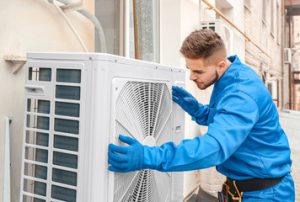
AC repair is often the preferred option when the system is relatively new and the issue is isolated. Repairs can address specific problems such as refrigerant leaks, electrical faults, or malfunctioning components without requiring a full system overhaul. In these cases, repair can restore cooling performance quickly and cost-effectively, extending the system’s lifespan and delaying the need for replacement.
One of the key benefits of air conditioning repair is a lower upfront cost. Repairs typically require less financial investment compared to full system replacement. This repairs an attractive option for property owners who want to resolve immediate issues without committing to a larger expense. Additionally, repairs can often be completed quickly, minimizing downtime and restoring comfort sooner.
However, repeated repairs can become costly over time. When a system requires frequent service calls or experiences recurring issues, repair costs can add up quickly. In such cases, continuing to invest in repairs may not be the most economical solution. Evaluating the pattern and frequency of breakdowns is essential when deciding whether repair remains a viable option.
Air conditioning replacement, on the other hand, involves installing a new system designed to meet current efficiency and performance standards. While the initial cost is higher, replacement often delivers long-term benefits that outweigh the upfront investment. Newer systems are engineered for improved energy efficiency, quieter operation, and more consistent cooling. These advancements can significantly enhance indoor comfort and reduce ongoing operating costs.
System age is one of the most important factors in the repair-versus-replacement decision. As air conditioners age, they naturally lose efficiency and become more prone to failure. Older systems may struggle to meet cooling demands, even after repairs. In these situations, replacement can provide a more reliable and cost-effective solution over the long term.
Several key factors can help guide the decision between AC repair and replacement, including:
- The age of the system and its remaining expected lifespan.
- The cost and frequency of recent repairs compared to the price of replacement.
Considering these factors together provides a clearer picture of which option offers better value.
Energy efficiency plays a major role in determining whether replacement is the better choice. Older air conditioning systems often consume more energy to produce the same level of cooling as newer models. This inefficiency results in higher utility bills and increased environmental impact. Replacing an outdated system with a modern, energy-efficient unit can lead to noticeable savings over time, making replacement an attractive long-term investment.
Comfort consistency is another important consideration. Systems that require frequent repairs may deliver uneven cooling, struggle to maintain temperature, or operate noisily. These issues can disrupt daily comfort and signal deeper performance limitations. New systems are designed to provide more stable and even cooling, improving overall comfort throughout the space.
AC repair is typically more practical when issues are minor and the system has a strong maintenance history. Well-maintained systems that experience an occasional malfunction often respond well to targeted repairs. In such cases, repair can restore full functionality without compromising efficiency or reliability.
Replacement becomes more appealing when major components fail. Compressors, coils, and other core parts are expensive to repair and may not restore the system to optimal condition. When repair costs approach a significant portion of the price of a new system, replacement often offers better long-term value.
Indoor air quality is another factor to consider when choosing between repair and replacement. Aging systems may struggle to filter air effectively, allowing dust and allergens to circulate. Newer systems often include improved filtration and humidity control features that enhance indoor air quality. For property owners concerned about health and comfort, replacement may provide added benefits beyond cooling performance.
Maintenance requirements also differ between repaired and replaced systems. Older systems often require more frequent maintenance to keep them running efficiently. New systems typically operate more reliably and may require less frequent service during the early years. This reduction in maintenance demands can translate into additional cost savings and convenience.
Technological advancements further influence the replacement decision. Modern air conditioning systems often integrate smart controls, variable-speed components, and advanced diagnostics. These features improve efficiency, allow more precise temperature control, and provide better system monitoring. Repairing an older system does not offer access to these improvements, which can make replacement more appealing for long-term comfort and control.
Environmental considerations may also factor into the decision. Newer systems are designed to operate more efficiently and use updated refrigerants that reduce environmental impact. Replacing an inefficient system can support sustainability goals while lowering energy consumption.
While replacement offers many benefits, it is not always the best choice for every situation. For newer systems with isolated issues, repair remains a practical and cost-effective solution. A professional evaluation can help determine whether the system’s condition justifies continued repairs or if replacement is the smarter investment.
Long-term cost analysis is a valuable tool in this decision-making process. Comparing the cumulative cost of ongoing repairs, higher energy bills, and maintenance against the investment in a new system provides clarity. In many cases, replacement results in lower total costs over the system’s lifespan, even with a higher initial expense.
In conclusion, deciding between air conditioning replacement and AC repair depends on a combination of factors, including system age, efficiency, repair history, and comfort expectations. Repairs are often suitable for newer systems with minor issues, while replacement offers long-term benefits for aging or inefficient units. By carefully evaluating performance, costs, and future needs, property owners can choose the option that delivers the best balance of comfort, efficiency, and value. Whether through timely repair or strategic replacement, informed decisions ensure reliable cooling and peace of mind for years to come.